|
Introduction
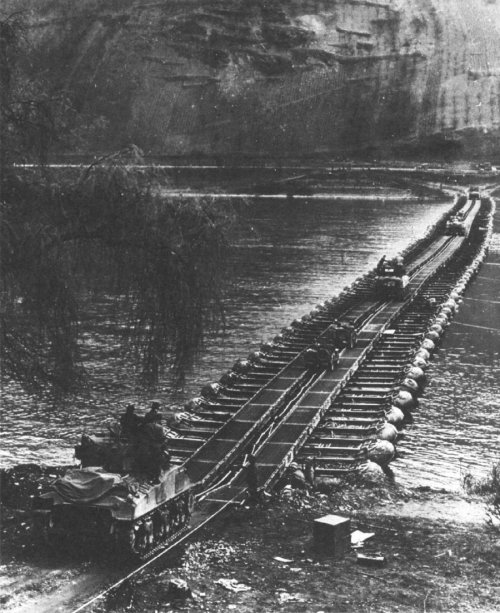
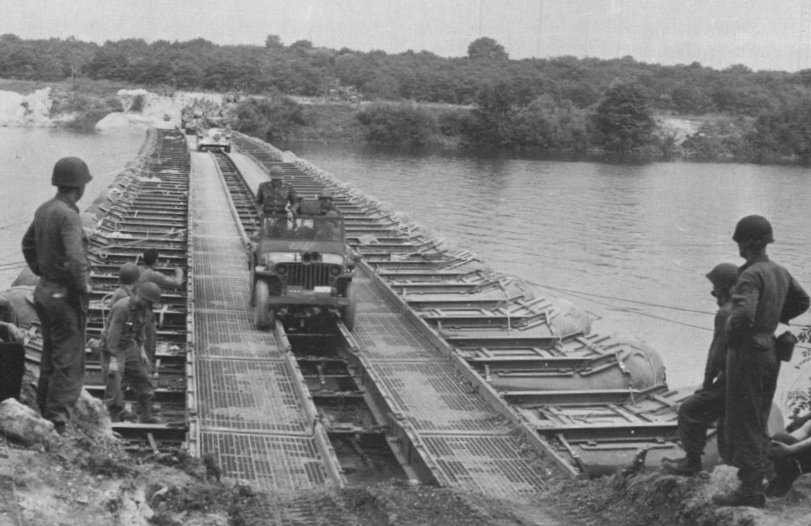
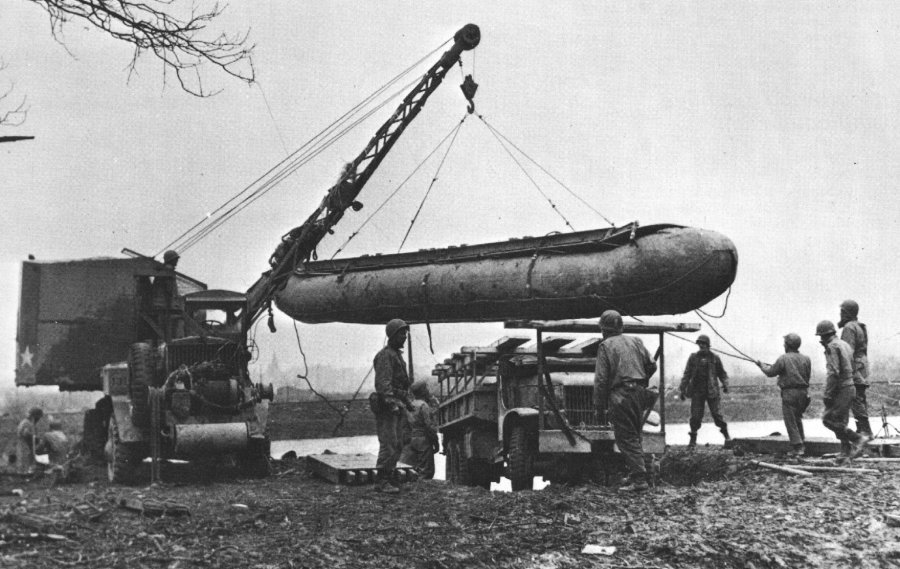
This website is for enthusiasts of U.S. 2½ ton 6x6 trucks - models such as GMC 'CCKW-353', Studebaker 'US-6', International Harvester 'M-5H-6' etc. These trucks did a great service in World War 2 and deserve our TLC. They played their part in the Allies victory. It goes without saying that none of the trucks would have arrived at the European and Mediteranean or Asian and Pacific fronts if it wasn't for the Navy guarding the oceans... and the merchant Navy would have been wiped out by U-Boats if it wasn't for strategic bombing of Germany by the USAAF and the RAF... and all operations would have cost more lives without RADAR, ULTRA and the Bletchley Park boffins... and that the Russians would have occupied even more real estate if it wasn't for the Manhattan Project... and yes, these machines lack the glamour and appeal of such things as Spitfires or Zeros... but the simple, reliable and hard-working American trucks did their tasks well (gaining a great reputation world-wide) and many enthusiasts enjoy working with and restoring these 2½ ton trucks. World War 2 was mechanized. Offensive forces of 'The Third Reich', Japan and Italy pointed their new air, sea and land machines toward other countries and achieved spectacular success, annexing most of Europe, Asia and the Pacific. The Allies' victory depended on morale, bravery, hard work, diligence, intelligence, and self sacrifice (all critical factors in warfare), but on top of these, the new factor of industrial capacity came to prominance during World War 2. The new weapons of war required mass production infrastructure, involving all the civilian manpower a nation could muster. So the defeat of an enemy nation now necessitated 'Total War'... Everything was targetted and of strategic value. Railways, bridges, dams, engineering works, merchant marine, factories and whole cities were aimed at. This was nothing like World War 1. Democracy was to be defended in machinery, and the arsenal of the free world was North America. And it was said that the arsenal of North America was General Motors. Look closely at these pictures... click to load big versions
The picture on the left is worth a thousand words. General George Patton's US Third Army crosses the Rhine River into the 'Fatherland', Oppenheim, March 24th 1945. It is a pontoon bridge. The individual pontoons arrived by truck -a large convoy of trucks- and by the time Patton uses the bridge, the trucks have returned to "port" and picked up another load of supplies. The numerous US trucks (the total number varying between 5000 to 6000) ran 24 hours a day for weeks, up to the front lines and back again; yet still supplies ran low. The after the initial D-Day invasion ('Neptune'), such machinery as transportable bridges, replacement freight loco's, the 'Pluto' submarine fuel pipeline, the prefabricated 'Mulberry' Harbour (complete with cranes), as well as decoy intelligence- all were to play a part in the biggest invasion in history... and all the new machinery was simply to ensure the best possible supply line to the troops at the front. The tanks and trucks and jeeps, in scenes such as the Rhine crossing, all ran on 'imported' petrol. And the soldiers needed "imported" bullets, medicine, food and reinforcements. The men and tanks and jeeps on this western front are dependant on a supply line stretching back to the D-Day beaches invaded on June 6th 1944, only nine months before. The supplies moved on trucks known originally as the "Red Ball Express". (See Legends page). In other theatres of World War 2, the need for trucks was just as critical and each truck told a different war story. (See Typical story page). The variety of makes, models and configuration of the trucks used in the Allied effort were remarkable. (See Makes & Models page). Many thousands of trucks saw service in campaigns around the world as they were part of the Lend-Lease program of the Allies. (See Lend Lease page). These World War 2 trucks are now getting
on in years and a good many have been killed in action or scrapped or
even recycled. But some have been restored with loving hands to their
former glory by museums, clubs and individual enthusiasts all over the
world. How many are left and which types are they? Where are they? Are
there any pictures of parade condition trucks? We're working on that.
(See The Register page). What books and manuals
are available for these trucks? How do you find parts for these trucks?
Which suppliers are reputable? We're working on that too. (See the Motor
Pool page). Enthusiasts can be defined as both owners and spotters. Spotters (or informers) around the world who find and report donor vehicles available for parts (or at least report the chassis number of a donor truck) are much appreciated by the Register. The Deuce And A Half Global Register was launched on the web in September 1998 by Steve Keith (New Hampshire, United States of America) and Ross N. Carswell. (New South Wales, Australia). Steve owns three GMCs and a Chevrolet in parade condition. Ross has a closed cab GMC-353 truck w. winch in pieces. The listing and discovery of the existing trucks will take quite a while. In effect it is a census. The other aspects of the Registry are consolidation of information and resources; collection of authenticating photos; and assistance to enthusiasts. You're welcome Picture credits Home | Intro | Legends | Makes & Models | Typical story | Lend Lease | Motor Pool | The Register | |||||||